
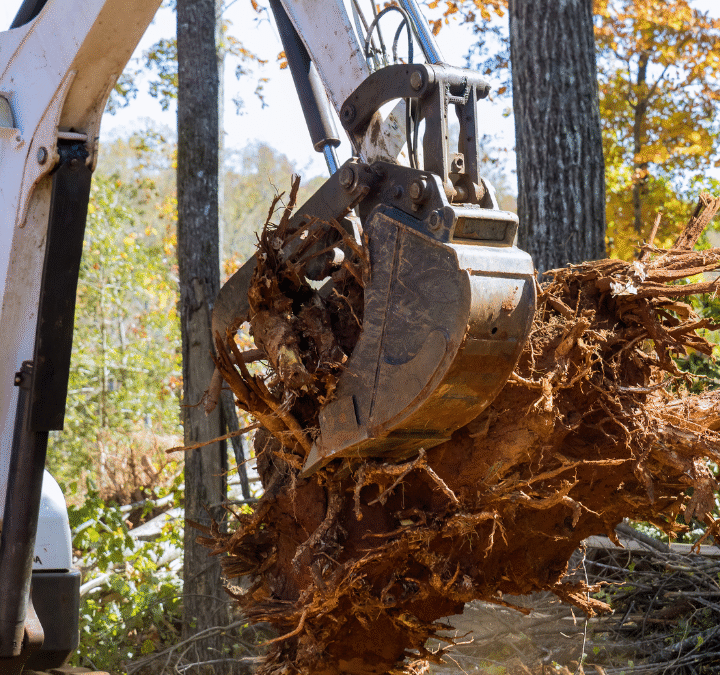
Many people love to have trees in their gardens rather than just plants and flowers. This is because trees offer a range of benefits, from providing a habitat for wildlife to providing valuable shade during the warmer months. They also add visual appeal to your garden, creating a peaceful retreat-style vibe and stunning surroundings. However, there are some instances when you might have to consider tree removal in your garden.
Over time, even healthy, strong trees can develop problems, and this can create a range of issues for you. It is a good idea to familiarise yourself with key signs that your tree might need to be removed. No matter how much you love having the tree in your garden, there are cases when removal could be the safest and best option, as it could prevent everything from serious hazards to damage to your home.
In this article, we will look at some of the signs that your tree might need to be removed.
Some of the Signs
There are various signs that could suggest your tree needs to be removed. Some of these include:
Obvious Damage
One of the key signs your tree might need removing is obvious structural damage. Large cracks in the trunk, deep splits where major branches meet, or sections of bark that are missing entirely can indicate serious internal issues. If you notice the tree leaning suddenly or more obviously than before, this could be due to root instability.
Serious Disease or Pest Infestation
Trees can suffer from fungal infections, borers, and other pests that gradually weaken their structure. Wood-boring insects can hollow out a tree from the inside, leaving it structurally unsound even if it appears healthy on the outside. Fungal growths, such as mushrooms at the base of the trunk, might indicate internal rot. When more than half of your tree shows signs of damage, such as dead branches, thinning foliage, or discoloured leaves, it could mean removal is the best option.
Large Dead Branches
Dead branches are unsightly, but they can also be dangerous. Large branches that have lost leaves and have brittle, dry wood are prone to falling without warning. This is a big worry if the tree overhangs your house, driveway, fence, or neighbouring property. A tree that continues to lose large branches every season could be under a lot of stress. In cases like these, removal might be the most practical long-term solution.
Root Damage Affecting Structures
Tree roots naturally spread to find water and nutrients, and this means that they can interfere with underground pipes, driveways, and house foundations. Cracked paving, blocked drains, or lifted concrete slabs can sometimes be caused by tree roots. Once roots begin damaging your home like this, it can become difficult to find a solution. Cutting major roots can make the tree unstable, increasing the risk of collapse. In this instance, removing the tree might be necessary to prevent further costly repairs.
Proximity to Buildings or Power Lines
Location plays an important role in determining whether a tree should be removed. Trees planted too close to homes, sheds, or fences can outgrow their space, creating ongoing maintenance issues. Overhanging branches might scrape roofs or block gutters, while falling leaves can clog your drainage systems. Trees growing near powerlines present an even greater hazard, as contact with electrical lines during storms can cause outages or fires.
Get Advice from the Experts
If you want to know whether tree removal is your best option, get in touch with the experts at VWD Group. Our team will be able to offer sound advice to help you find the best solution.