Residential demolition is often considered huge and intimidating. But it is not as strenuous as it looks, since you now have many experts at your service for demolition. Whether you are demolishing an old house, demolishing a damaged building, or building a new one, the process won’t torment you anymore after you read this blog.
The correct demolition process is not difficult when you know what is happening at every stage. This home demolition guide will take you through the entire process, and you can trust the tips from experts in the construction and demolition industry.
1. Pre-Demolition Planning
Planning is done behind the scenes before anything goes down.
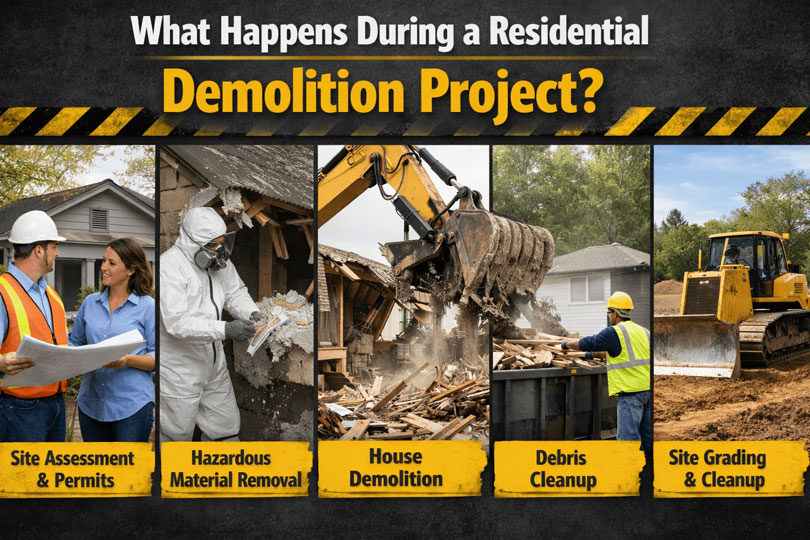
The property will be inspected by a demolition company, which will examine the site conditions and will take you through the process. They determine structural risks, access points, waste disposal requirements and environmental concerns. This process is done to make sure that everything is done safely, legally and efficiently.
2. Permits and Safety Checks
Demolition cannot commence without legal permission. You will require council permits, safety reports, and other times heritage clearance. Your demolition team normally does these. They also inform the neighbours, coordinate the traffic management (where necessary), and develop a safe work plan. This secures individuals and the property around.
3. Disconnecting Services
Before the structure comes down, utilities must be safely removed.
- Electricity
- Gas
- Water
- NBN/phone lines
- Sewer connections
To avoid accidents, licensed professionals disconnect every service. This is a must that is put across by law.
4. Hazardous Material Inspection
Older homes can hide dangerous materials. Common concerns include:
- Asbestos
- Mould
- Lead paint
- Contaminated soil
When such materials are discovered, experts get them out of the building safely, and then the general demolition can commence. This maintains the site’s security, and there are no harmful materials that find their way to the environment.
5. Soft Strip or Internal Cleanup
Next comes the “soft strip.” This includes removing everything from inside the home before heavy machinery rolls in. Examples include:
- Cabinets
- Carpet
- Windows
- Doors
- Gyprock
- Fixtures and fittings
6. Structural Demolition Begins
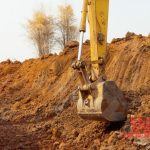
Now the actual process starts when the excavators start destroying your house bit by bit. Every step is accomplished in a controlled and safe way. The demolition teams are aware that they should do good work, but not a crazy good job, because, foremost, there is a question of safety and environmental responsibility.
7. Sorting, Recycling & Waste Removal
Contemporary demolition of residential houses in Melbourne is environmentally friendly. Bricks, timber, metal, concrete, and steel are sorted and separated. Most of these materials are recycled into road base, construction filler or remade building materials. This reduces the landfill volume and keeps the environment healthy.
8. Site Clean-Up and Levelling
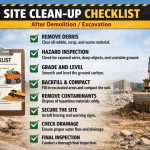
When the building is demolished, the team clears the site. The professionals site clean up the residual debris, seal holes, tamp the soil and level the ground. This is ready to receive the next thing, which may be new construction, landscaping, or sale. This process gives satisfaction.
A clean site also implies that there will be fewer surprises for your builder in future.
9. Final Inspection and Handover
The demolition company carries out a walkthrough so that all is safe and up to council standards. You are provided with papers that verify the demolition, waste disposal documents, and recycling reports.
This is what you can have as proof with you that the job was done properly and responsibly.
Final Takeaway
A residential demolition project can be a complex task, but with a good team, it becomes an organized process that is easy to go through and environmentally friendly. Permits, clean-up, and all of these are well planned to ensure that your property is secure and that your future project is on course.
The difference lies in the choice of a good demolition company; these companies have clear communication, a fair price, and prioritise people, safety, and the environment.